
How Can I Get a New Gas Pipeline Connection and What Should I do to Make the Process Easier?
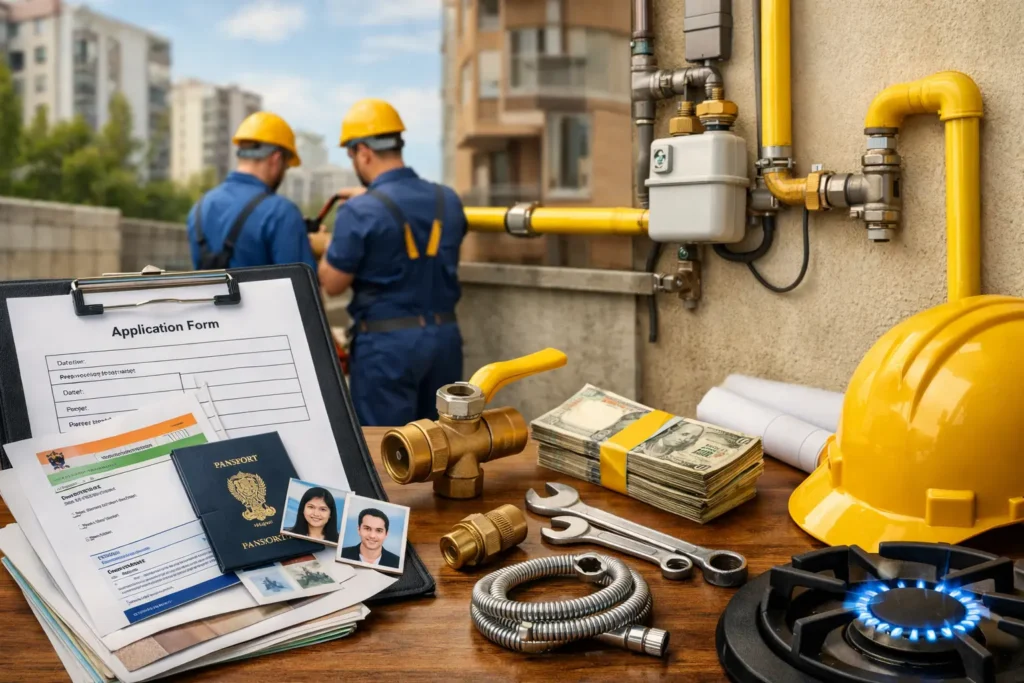
If you’re considering switching to a gas pipeline connection, you’re likely wondering: “How Can I Get a New Gas Pipeline Connection and What Should I do to Make the Process Easier?” Securing a new gas pipeline connection can seem like a complicated process, but understanding the steps and requirements can help you navigate it more smoothly. In this blog, we’ll break down the steps involved and share some useful tips to simplify the entire process. Step By Step Guide – How Can I Get a New Gas Pipeline Connection in India Step 1: Check Availability in Your Area Before applying for a new gas connection, the first thing to do is to check if your area is serviced by the gas supply company. Gas pipeline connections are only available in specific regions where the utility companies operate. You can easily confirm this by visiting the official website of the gas service provider in your area or calling their customer service. Step 2: Gather the Required Documents To make the process smoother and quicker, it’s crucial to have all the necessary documents ready. Common documents typically required for a new gas connection include: Proof of Identity (e.g., Aadhaar Card, Passport) Proof of Address (e.g., utility bills, rent agreement, property documents) Passport-sized Photographs Proof of Ownership (if applicable) or a No Objection Certificate (NOC) from the landlord Having these documents ready beforehand will help you avoid unnecessary delays in the process. Step 3: Fill Out the Application Form Once you’ve confirmed that gas service is available in your area and you have the necessary documents, the next step is to fill out the application form. This can usually be done online through the gas service provider’s website, or you can visit their local office for in-person applications. Ensure that all the details are accurate and complete to avoid delays. Step 4: Make the Payment The payment for a new gas connection typically includes registration fees, security deposits, and the cost of the gas meter installation. Ensure that you review the payment structure carefully, as the amount may vary depending on your location and the service provider. Some providers also offer online payment options for convenience. Step 5: Wait for the Verification and Approval Process After submitting your application, the gas company will verify your documents and application details. They may also schedule an inspection of your property to ensure that the installation of the gas pipeline is feasible. This step can take a few days to a few weeks, depending on the provider’s processes and the workload. Step 6: Installation of the Gas Pipeline Once your application is approved, the gas pipeline installation process begins. A team from the gas service provider will visit your location to lay the pipeline and connect it to your property. The timeline for installation can vary depending on the complexity of the infrastructure and the location of your property. Step 7: Connection Activation and Testing After the gas pipeline is installed, the final step involves the activation and testing of the connection. The gas company will perform safety checks to ensure everything is functioning properly. After the successful completion of the testing, your new gas connection will be live, and you can start using it. Tips to Make the Process Easier Verify Availability Early: Don’t waste time by submitting an application if gas connections aren’t available in your area. Double-check with the service provider first. Be Prepared with Documents: Having all the required documentation ready will save you from multiple trips to the office and long processing times. Stay in Touch with the Provider: Regularly check the status of your application and installation progress. Staying proactive can help you quickly address any issues. Follow Safety Guidelines: During installation, ensure that the technician adheres to all safety protocols. Gas leaks or improper installations can be hazardous. Explore Subsidies or Schemes: Some areas offer subsidies or special schemes for new gas connections. Check with the gas provider to see if you’re eligible for any financial assistance. Conclusion Getting a new gas pipeline connection doesn’t have to be a daunting task. By following the steps outlined above and being prepared with all the necessary documents, you can ensure a smooth and quick process. The key to making the process easier is being proactive and well-informed about each step, from checking availability in your area to the final activation of the gas connection. If you follow these steps and tips, you’ll have your new gas pipeline connection up and running in no time!