
How Responsive Web Design Helps to Get More Leads?
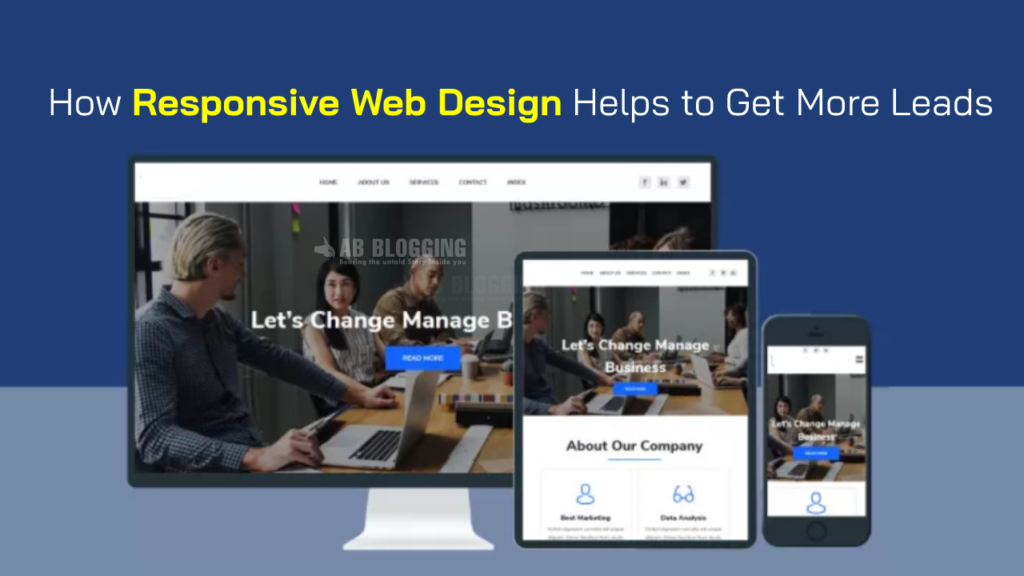
Whether you like it or not, your website design will be the first impression most consumers get of your organization. Do you want them to view an electronic brochure that is flat, boring, and impersonal? Or should it be a personalized, friendly, and interactive experience that connects prospects with your business from the first visit? Which experience, more significantly, do you believe will produce the most leads? After all, our aim, according to inbound marketing, is to create leads, right? During their initial visit to your website, your prospects are making purchasing decisions. That’s because we (humans) make most buying decisions based on emotions first, then rationalize them afterward. Hire WordPress developer to emotionally captivate potential consumers and provide them with a great, personalized experience What Is Responsive Web Design and How Does It Work? Responsive Web design is a concept that implies that design and development should adapt to the user’s behavior and surroundings, taking into an account screen size, platform, and orientation. And many WordPress design agency will help you to make your site responsive. Flexible grids and layouts, graphics, and judicious use of CSS media queries are all part of the process. When a user moves from a laptop to an iPad, the website should adapt to the new device’s resolution, picture size, and scripting capabilities. The user’s device settings may also need to be considered; for example, if the user has a VPN for iOS on their iPad, the website should not prevent the user’s access to the page. In other words, the website should be equipped with technology that allows it to adapt to the user’s choices automatically. This would eliminate the need for each new device on the market to go through a separate design and development phase. Why should web designers and business owners care about responsive web design? Responsive web design frees web designers, user interface designers, and web developers from laboring 24 hours a day, 7 days a week to create websites for every possible device. It also makes life easier for entrepreneurs, marketers, and advertising. Here are a few advantages: 1. One site for all devices: The website will be customized for the user’s best-viewing pleasure whether seen on a 27-inch iMac with a WiFi connection or from the screen of an Android phone. 2. Device-optimized design: In a responsive web design approach, all pictures, fonts, and other HTML components are resized correctly to maximize the user’s screen size. 3. No need for redirection: Other approaches to designing for various devices necessitate the use of redirects to lead users to the correct version of a website. The user may get to the information he wants to look at as fast as possible without having to go through any redirects. What Makes Responsive Web Design So Important? The modern consumer’s mobile device is used for much more than email and news reading. More and more mobile users are relying on their smartphones for a wide range of commercial activities, such as online banking and online buying, as mobile commerce adoption hits a tipping point. If your website is tough to read or doesn’t work well on a mobile device in 2016, you’re likely losing business. The use of responsive web design is the first and most important step toward mobile SEO. If you want your website to be mobile-friendly, it should be designed on a platform that adjusts (or responds) to the various specifications of each device, changing the website’s layout as needed. WordPress agency is the best way to manage your website. We create awesome websites for awesome clients. When you have responsive web design, no matter what device is used to access your site, all users will have a pleasant browsing experience. And after you fix the design issues that are compromising your site’s mobile user experience, you’ll begin to attract new visitors, improve revenue, and create more leads. Still, have questions about how responsive design might help you remain ahead of the mobile marketing game? Here are a few particular responses… 1. Responsive design saves time and money. It is feasible to develop a separate mobile version of your website, but it is both expensive and time-consuming. Before a mobile site goes live, it must pass all of the same web development, maintenance, and support tests as the original site, which means double the hassle, labor, and/or cost, depending on how you look at it. Developers who use responsive design, on the other hand, simply have to test and coordinate the layout and content of a single website. 2. Use Responsive Design to Stay Afloat in Search Results Responsive site design is quite beneficial in terms of SEO. Because mobile internet usage has become such a large part of overall internet usage, Google now gives mobile-friendly websites a boost in mobile search ranks. If your site isn’t mobile-friendly, you may expect to see a drop in search rankings (if it hasn’t already). The clean and straightforward page structure that is unique to the unified code base of responsive web design is preferred by Googlebot and other search engine bots. You’re open-source clustering up the search engines with duplicate material when you have distinct mobile and desktop versions of your site, and those bots don’t appreciate content duplication. 3. Reduce the time it takes for a page to load With the use of mobile devices on the rise, responsive web design makes it easier and faster for visitors to access and utilize your website. Google’s PageSpeed Developers have even established standards that essentially make responsive web design a requirement rather than a choice. They state that the material on your site’s upper fold should load in less than 1 second, and the whole page should load in less than 2 seconds. Unlike slow-loading desktop websites, responsive sites load rapidly, allowing users to access your information immediately. As a result, your visitors’ user experience improves, and Google loves your site even more. 4. Use Responsive Design to Reduce Bounce