
The Construction of National Identity in British Media Coverage of Sport: A Historical Perspective
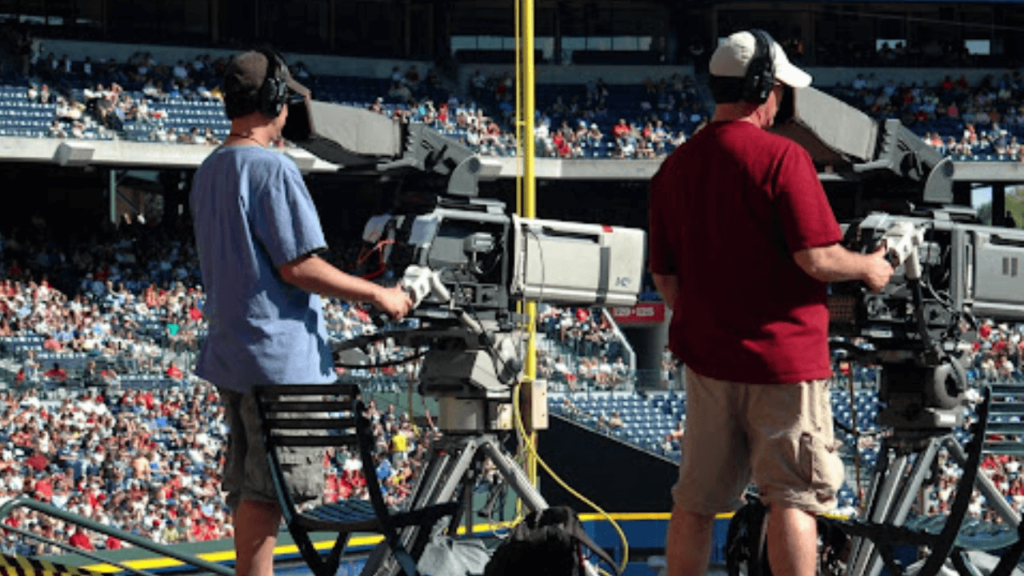
The development of British national identity has been a long and complicated process. It began with the inception of the British state, and it continued through the centuries as different groups sought to define themselves in relation to it. This paper will explore the construction of British national identity in the media during the period from 1945 to 2017. It will focus on coverage of sport, and specifically on how it was used to create a sense of Britishness within the context of post-war Britain. The 1945-47 period The period from 1945 to 1947 was an important one in the development of a British national identity. The establishment of a new, post-war state meant that Britishness began to be constructed through the media. This was particularly true for Cric Gator sport, which played a major role in creating a sense of Britishness in post-war Britain. In this era, sports were more popular than ever before. So much so that there was even talk of hosting the Olympics in London after the war. The first world championship had been held in London since 1938, and when it returned to England’s capital in 1946 it was seen as symbolic of the nation’s re-emergence as a world power. Sport became an important tool for both nations and states during this period – it’s good form to have sportsmen on your side, especially if you’re fighting an aggressive enemy (as with the 1948 London Olympics). Sport was also used to create national identities – think about how football became part of British culture during this period and how it helped construct Britishness (and took on different forms depending on the team and location). The creation of British national identity in the media The development of British national identity in the media has been a long and complicated process. The idea of Britishness was created to define the dominant group within Britain, and it continued to be developed throughout the centuries as different groups sought to define themselves with relation to the idea of Britishness. This paper will explore this construction in the period from 1945 to 2017 and will focus on coverage of sport, specifically focusing on how sport was used to create a sense of Britishness within the context of post-war Britain. Sport offers an interesting way into discussions about national identity because it is able to provide a clear visual representation of what is happening in Britain – both domestically and internationally. Within sport there is also always a place for people who may not conform conventionally: some people are black, some are disabled, some are LGBT+, etc. This provides a great way for people from all walks of life, regardless of their ethnic backgrounds or sexual orientation (or disability), to take part in sporting activities that do uphold values such as fairness and equality that have traditionally been associated with ‘Britishness’. Coverage of sport in the post-war period Sport has long been a key component of British identity and one that has been used to construct it. The media has always been central to this process, and the role it has played in promoting Britishness through Cricgator sport during the post-war period will be explored. The paper will use a range of sources including newspapers, radio, television and film to explore how sport was reported during the period, which groups were chosen as protagonists and what kind of issues they covered. It will also examine how sport was used to define Britishness in terms of gender, class and race. Finally, it will analyse how reporting on sport in the post-war years built a picture of national identity for an audience who had experienced total war after seven years of conflict with the Axis powers. Conclusion This study shows that the media plays a huge role in defining and constructing national identity. With this in mind, it is important to consider the role of sport in this process. Sport is a way for people to connect with their nation and reflect the values, morals and beliefs of the nation.
How Artificial Intelligence Benefits In Project Management?

Artificial intelligence has been gaining popularity even more so than ever before. Different organizations are being impacted by AI technologies. It is something that was bound to happen. After all, AI is something that has made the lives of business owners much easier. How? Well, simply because it offers a lot of benefits that no one can undermine. However, it does require you an internet connection to run most of the AI-enabled devices. My friend knew this when he installed the artificial intelligence system in his office which is why he subscribed to the Cox bundle deals. You can do the same if your provider is not delivering you a reliable internet connection. As stated earlier, AI can provide many benefits to a business. This means it can work just fine in project management software, saving project managers from a ton of hassles. With that said, some project managers have started to fear AI. They think that their job is at risk now that AI is handling much of the project management tasks. They can never be so wrong! Project Managers Will Not Be Replaced by AI Project managers need to relax a little. AI is not going to take away your job. You should realize that it is just a work augmentation tool. It is not capable enough to handle a project on its own. A little-known fact that you may not know about is that artificial intelligence is terrible at handling nuanced tasks. AI will only be able to take care of resource scheduling and status reports. But keep in mind that it can neither get stakeholder buy-in nor gather requirements. Therefore, your job as a project manager is more than safe. And there is nothing to worry about at all. Top 5 Benefits of AI in Project Management Artificial intelligence means no harm to project managers and it is there to facilitate them in their daily tasks. Let’s now have a look at how AI benefits project management. #1. Automates Tasks A project manager’s job is not an easy one. They have to do a lot of tasks on a regular basis. Plus, they have to supervise the performance of their team as well. AI can certainly be a blessing for them. How? Well, artificial intelligence can simply automate those tasks that they perform the most. This will save them a lot of time which they can spend on problem-solving. Gartner has predicted that AI augmentation will raise “$2.9 trillion in business value” and will recover “$6.2 billion hours of worker productivity”. With these stats in mind, you can imagine just how productive the project managers will become. #2. Improves Calculation & Predictions One of the major benefits of artificial intelligence is that it can perform calculations and predictions almost accurately. How? Well, AI will use historical data to do so. All project managers have to do is program the technology so that they can perform this task. The predictions can help give the managers an overlook of how things are going to be in the future. It will also let them know if they are to implement some changes. #3. Performs Risk Modeling & Analysis Artificial intelligence can make life very simple for you and can handle those tasks which you may find hard to manage. For instance, performing risk modeling and analysis. AI does this by considering factors such as available resources, changes to scope, and reduced budget. The thing about operating a business is how unpredictable things can become sometimes. Changes are inevitable. And they can come at any point. But AI is going to help you out here. It will let you know about the expected impact based on how similar changes affected the projects before. #4. Increases the Speed of Decision-Making Another way how AI helps project managers is that it increases their speed of decision-making. This can be done with the help of process-based rules. You see, artificial intelligence is programmed to follow very particular rule-based workflows. This means that if there are any obstacles or bottlenecks along the way, then AI can easily monitor them, and then it can send notifications related to task updates and statuses. #5. Optimizes Resource Allocation & Scheduling This is probably one of the biggest advantages of AI in project management. It can let you know who is responsible for a project or a task and how long will it take them to complete it. All you are required to do is to enter the relevant information into the AI-enabled project management tool, and it will automatically suggest you the best resources for the project. This means that AI technology can save you from roadblocks and frustration that you would encounter if you had to do select the resources yourself. Plus, there would always have been a factor of uncertainty involved. And you would have often questioned yourself that if the resources you selected will do the job right or now. However, AI will take this worry away. Conclusion Artificial intelligence can do wonders for businesses. It can very easily help a struggling organization achieve success. Therefore, project managers shouldn’t be scared of this technology. Instead, they should embrace it. At the same time, they should try to implement AI into the project management software so that they may be able to enjoy all the above-mentioned benefits. So, are you going to give it a try?